

This blog will discuss can Woman Perform Tarpan in pitrupaksha for peace of her ancestors soul . During holy 15-day period in the Hindu lunar calendar, Pitru Paksha, also called Shraddha Paksha, is devoted to paying tribute to our ancestors (Pitrus). (This website is dedicated to advance tantrc knowledge and profound Philosophy of hindusiasm stay with us as we burst myths related to hindusiasm)To express appreciation and ask for blessings from departed spirits, rituals like Tarpan and Shraddha are performed around this period.
Male family members, particularly the oldest son, are customarily responsible for performing these rites. The topic, “Can a woman perform Tarpan during Pitru Paksha?” frequently comes up, nevertheless, as times change.
The answer is YES; in all situations, scriptures permit women to do Tarpan. The spiritual laws, customs, and contemporary viewpoints surrounding this significant rite will be examined.
What is Tarpan and Why is It Performed
The Sanskrit root “Trup,” which meaning to satisfy, is where the term “tarpan” originates. During this ceremony, ancestors are served water infused with barley, kusha grass, and black sesame seeds (til) as particular mantras are chanted.
To satisfy your ancestors you don’t need to focus on any gender. Even with male members present you can offer tarpan just to honour your ancestors.
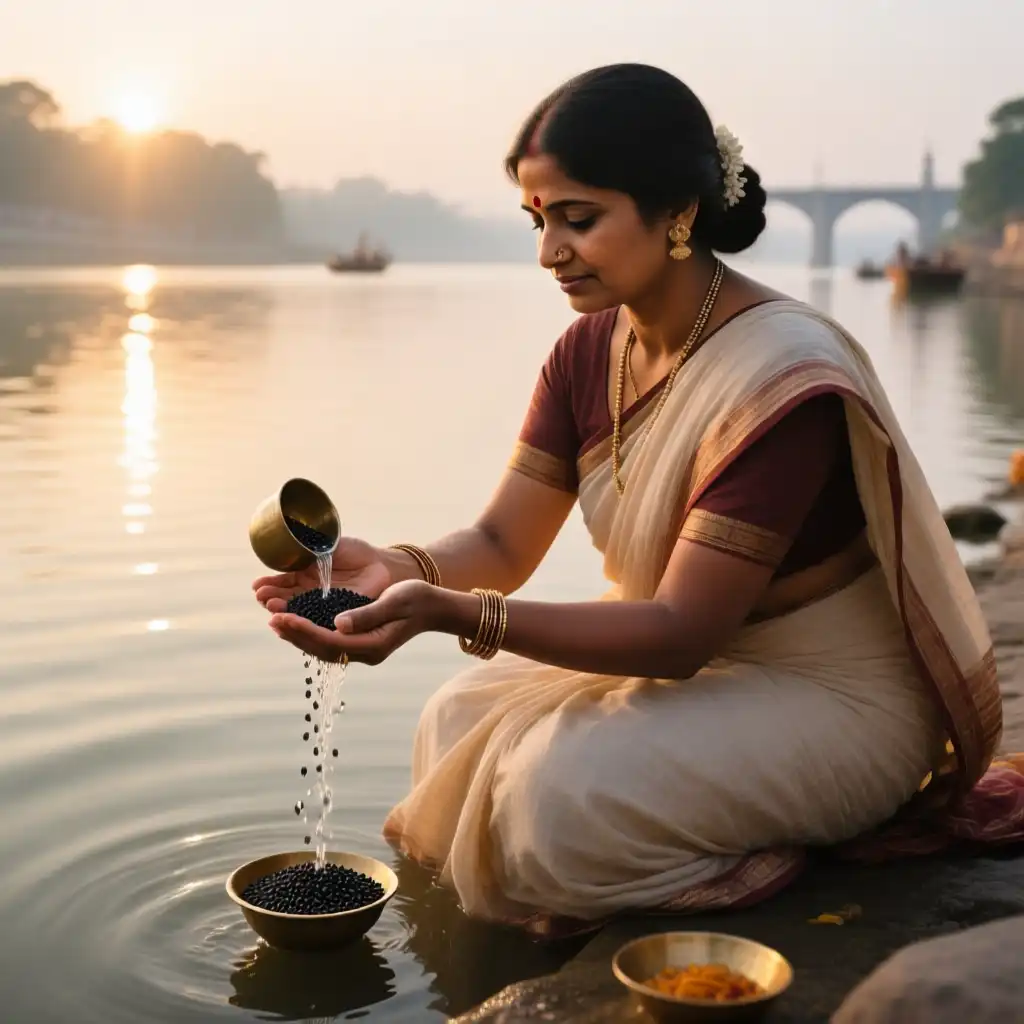
Purpose of Tarpan:
Assist ancestors in achieving serenity (moksha) and to honor and appease them. to get rid of ancestral curses or Pitru Dosha that could lead to problems in life.
Bestow wealth, well-being, and peace upon the family.
remember and show appreciation for dead family members.
If you are suffering from pitru Dosha then you need to worship your Pitrus. Here in this post you will learn how Bhairava worshipping can help your pitrudasha.
Why Traditionally Men Performed Tarpan
Men were regarded as the karta (performer) of family rites in ancient Hindu customs. After marriage, a woman was no longer considered to be a member of her father’s lineage for the sake of ancestral rites, but rather became a member of her husband’s. But according to texts like the Vishnu Smriti and the Garuda Purana, there are instances in which women are permitted to conduct Tarpan, particularly in the absence of any suitable male participants.
Scriptural Support for Women Performing Tarpan
Women can still participate in ancestral rites, according to Hindu texts. Key references are as follows:
Garuda Purana :States that if no male member is available, daughters and widows can perform Shraddha and Tarpan.
Vishnu Smriti: Emphasizes that devotion and intention matter more than gender.
Mahabharata :Mentions women like Draupadi and Kunti participating in rituals for their ancestors.
How a Woman Can Perform Tarpan – Step-by-Step Guide
Here’s a simple way for women to perform Tarpan at home or near a sacred water source:
Purification Ritual :
Take a bath early in the morning.Wear clean, simple clothes (preferably white or light-colore
Preparation of Offerings :
Water, black sesame seeds, barley, and kusha grass.A small plate or panchpatra for holding the offerings.
Correct Direction
Sit facing South, the direction associated with ancestors and Yama (god of death).
Chant Mantras:
Recite the Pitru Tarpan mantra or chant “Om Pitrubhyah Swadha” with devotion while offering water.
Food Offering and Donation
Offer food to Brahmins or donation to people after completing the ritual.
Benefits of Women Performing Tarpan
gives the ancestors’ souls peace. aids in clearing family karmic obstacles and Pitru Dosha. draws the blessings of wealth, peace, and spiritual development. establishes a solid bond between the present and previous generations.
1)Married Women Performing Tarpan
Traditionally, when a woman marries, she is considered part of her husband’s family.
2)For Her Parental Ancestors:
She can have a strong emotional bond with her own parents and forefathers. Although it is not sinful or improper to do tarpan for them, some families feel she should first have elder approval.
3) For Husband’s Ancestors:
Once married, she can also perform tarpan for her husband’s ancestors, especially if there is no male heir.
Spiritual Perspective
Intention is more important than ritual constraints from a spiritual perspective. She can generate positive karmic energy by performing tarpan with love and gratitude for her ancestors. Pitru Puja is about remembering and honoring, not about rigid gender norms, thus guilt shouldn’t surface.
Pitru Paksha and Tarpan are about dedication and thankfulness, not about gender. If there are no male descendants or if women want to show their love and respect for their ancestors, they can do Tarpan. Women can bless their families and provide peace to their ancestors by adhering to the proper protocols and acting with good intentions.
If you don’t have sufficient time then in this pitrupaksha you can honour your ancestors by offering tarpan
1 thought on “Can a Woman Perform Tarpan During Pitru Paksha? Complete Guide”